
Finding the Right Mattress for Sciatica Relief
Sciatica is a painful condition that affects millions of people across the UK. The right mattress can make a significant difference in both pain management and quality of sleep. If you suffer from sciatica, choosing the correct mattress is more than a comfort upgrade – it’s an essential investment in your wellbeing.
But with so many types, brands, and claims, how do you pick the best mattress for sciatica? In this extensive guide, we’ll cover the science behind sciatica, what to look for in a mattress, and top recommendations, including the highly-rated Sleepeezee Ultrafirm 1600 Pocket Mattress.
Understanding Sciatica and Sleep
Sciatica results from pressure or irritation on the sciatic nerve, which runs from the lower back down to the legs. The most common symptoms include shooting pain, tingling, numbness, and muscle weakness in the legs or buttocks. Episodes may be short-lived or chronic, but pain is often worse during rest or sleep.
Many people with sciatica struggle to find a comfortable sleeping position. Night-time discomfort can make restful sleep feel impossible. Poor sleep actually increases pain sensitivity, meaning the wrong mattress can worsen the cycle.
A supportive, pressure-relieving mattress is key to breaking this cycle. It should keep the spine aligned, minimise movements, and ensure pressure isn’t put on delicate nerves.
Key Mattress Features for Sciatica Sufferers
Not every mattress will help sciatica. You need one designed specifically for spinal support and pressure relief. Here’s what to look for:
- Firmness: Generally, medium-firm to extra-firm mattresses are best for sciatica, giving proper support and spinal alignment.
- Support: The mattress should stop your hips and shoulders from sinking, keeping your back straight and preventing nerve pinch.
- Pressure Relief: Gentle cushioning around the hips and lower back reduces painful pressure points that aggravate sciatic pain.
- Motion Isolation: A mattress that absorbs movement ensures less disturbance if you or your partner move during the night.
- Durability: Choose a mattress that maintains its firmness and support for years without sagging.
Why Firmness and Support Matter
Firmness is the most debated aspect when choosing mattresses for back pain or sciatica. While very soft beds may seem cosy, they often allow the hips to sink deeper than the shoulders – a classic recipe for nerve compression.
Research and the experience of many physiotherapists prove that medium-firm to extra-firm mattresses usually give the best sciatica relief. Proper support stops your body from sagging and puts your spine in the healthiest position, lowering the risk of pinched nerves.
If you’re unsure what works for you, check out our mattress firmness scale guide, which breaks down who benefits from each level of firmness.
The Importance of Pressure Relief
Too much pressure on your hips or lower back can aggravate sciatic pain. That’s why a good mattress pairs firm support with pressure-relieving comfort layers. Materials such as memory foam, latex, or cleverly designed pocket springs are ideal for this purpose.
Some of the best beds for sciatica feature zoned support systems, giving extra firmness where needed and gentle cushioning in pressure-sensitive spots. Mattress makers like Sleepeezee, Tempur, Emma, and Simba often employ this technology in both hybrid and full foam mattresses.
Types of Mattresses to Consider
The main mattress types UK shoppers should consider for sciatica relief are:
- Pocket spring mattresses: Offer excellent support and tailored comfort through individual springs. The Sleepeezee Ultrafirm 1600 is a leading example.
- Memory foam mattresses: Contour to the body, providing outstanding pressure relief. Great for side or back sleepers with sciatic symptoms.
- Hybrid mattresses: Combine springs with foam or latex for a balance of support and cushioning.
- Orthopaedic mattresses: Engineered for firm support and spinal alignment; designed specifically for medical support needs.
If you want a deeper dive into mattress types, read our complete mattress buying guide for UK shoppers.
Best Mattress for Sciatica: Sleepeezee Ultrafirm 1600 Pocket Mattress
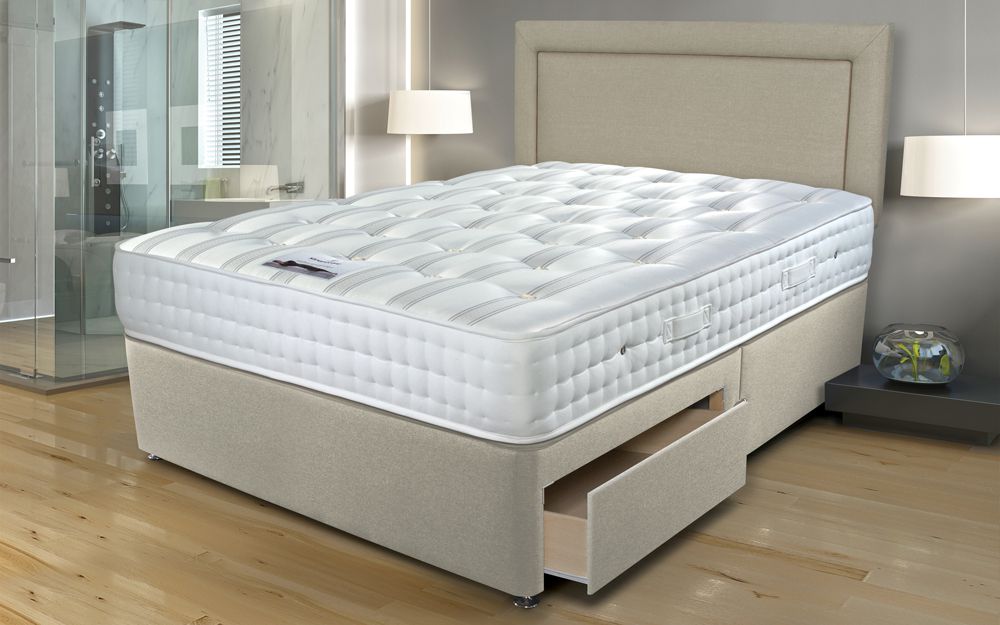
The Sleepeezee Ultrafirm 1600 Pocket Mattress stands out as a top option for sciatica sufferers wanting an ultra-firm feel and medical-grade support. Here’s what makes it a strong contender:
- Orthopaedic, Extra Firm Rating: One of the firmest mattresses available in the UK market today, it prevents any sinking whilst keeping your body aligned. Ideal if you need robust support under your lower back.
- 1600 Individual Pocket Springs: These adapt individually, ensuring support is tailored to your body, not just generalised firmness.
- Hand-Tufted for Durability: The construction prevents sagging and maintains support for years to come.
- Cotton Layers and Damask Cover: Comfort is not sacrificed. The breathable natural layers and premium fabric enhance sleep quality while wicking moisture.
- Double-Sided Design: Flip and rotate regularly for even wear and lasting comfort.
- Generous Guarantee: Comes with a 5-year guarantee for peace of mind.
If you want more details and a full expert verdict, see our complete review of the Sleepeezee Ultrafirm 1600 Pocket Mattress.
Benefits for Sciatica Sufferers
Sciatica patients often report that overly soft mattresses trigger pain at night. The ultra-firm feel of the Sleepeezee Ultrafirm ensures no “hammocking” of the body, keeping the lower back free of pressure and misalignment.
The pocket spring system delivers highly localised support, which is especially important if one side of the back is more affected than the other. The breathable comfort layers are useful if inflammation leaves you sleeping hot, promoting a cooler nighttime environment.
The double-sided build also means the mattress won’t lose support quickly over time, which is essential for chronic pain sufferers who can’t afford dips or unevenness in their sleep surface.
Who Is This Mattress Right For?
This mattress is best for:
- People with moderate to severe sciatica who need firm, even support
- Back and stomach sleepers wanting their hips and torso held on top of the mattress, not sunk in
- Anyone whose sciatica symptoms are worsened by softer or sagging beds
- Those who prefer a classic, extra-firm feel without compromise
If you’re a lighter person or sensitive to pressure points, consider a hybrid or memory foam mattress for slightly more “give” – check out options in our hybrid mattress guide or our best memory foam mattress picks.
Other Top-Rated Mattresses for Sciatica in the UK
While the Sleepeezee Ultrafirm is a stand-out, several other mattresses offer notable pressure relief and support for sciatica. Here are reviewed favourites:
- Emma Smart Hybrid Mattress: Combines dynamic pocket springs and multiple foam layers for targeted relief.
- Simba Hybrid Pro Mattress: Boasts superior zoning and edge-to-edge support for low-back pain sufferers.
- Relyon Comfort Pure Memory 1400 Pocket Mattress: Merges pressure-relieving foam and individually wrapped springs.
- Millbrook Wool Ortho 1000 Pocket Mattress: Offers British-made orthopaedic support with breathable natural fillings.
- Tempur Original Supreme Mattress: Renowned for body-contouring memory foam and high motion isolation. Can be a great pick for side sleepers with sciatica.
Explore all the UK’s best beds in our main Best Mattresses UK 2025 – Top Picks Compared guide. Many of these models also feature in our back pain relief mattress recommendations, as the needs of sciatica sufferers overlap with general back pain solutions.
Choosing by Sleeping Position
Your sleeping position affects which mattress will suit your sciatica best:
- Back Sleepers: Usually require a firmer mattress to keep the spine neutral and hips level (see our back sleeper guide).
- Side Sleepers: May need slightly softer pressure relief at the shoulders and knees to prevent tingling (see side sleeper advice).
- Stomach Sleepers: Nearly always require extra firm support to stop the pelvis sinking, which can seriously aggravate sciatic issues (stomach sleeper mattresses).
- Combination Sleepers: A responsive hybrid or medium-firm foam mattress may work best. See mattresses for combination sleepers.
Mattress Materials: What Works for Sciatica?
Quality of materials makes all the difference. For sciatica:
- Memory Foam: Great for cushioning and eliminating pressure points, ideal for side or lighter sleepers with nerve pain.
- Pocket Springs: Excellent for support and long-term durability, especially in higher coil counts (like the Sleepeezee Ultrafirm).
- Latex: Natural latex offers resilience and gentle support, resisting sagging and lasting many years.
- Gel and Cooling Layers: Valuable for those with inflammation or night sweats.
- Orthopaedic Layers: Specially designed to maintain spinal posture. Find more in our orthopaedic mattress guide.
When Should You Replace Your Mattress?
The average mattress lifespan is 7–10 years, but for back pain or sciatica, you may need to upgrade sooner if you notice:
- Sagging or body impressions
- Worsening sleep quality or pain
- Noisy or creaky springs
- Visible lumps or collapsed sides
For clues your mattress may be overdue for replacement, see our advice on signs your mattress is worn out.
Extra Tips for Sleeping with Sciatica
Mattress selection is just one part of the puzzle. For extra relief:
- Use a supportive pillow between your knees if side sleeping, or under them if on your back
- Practice gentle stretching before bed
- Avoid sleeping on your stomach unless you have the correct mattress support
- Invest in high-quality pillows for head and lumbar support (see our pillow guide)
- Stay active during the day, but avoid strenuous activity just before bedtime
Trying Before You Commit
Reputable brands and UK retailers now offer generous trial periods, giving you time to see if a mattress truly helps your sciatica. Aim for a 60–100 night trial, with hassle-free returns if pain doesn’t improve. You’ll find detailed advice about trials in our mattress trial periods explained guide.
Should I Consider a Mattress Topper?
If your budget doesn’t allow a new mattress, or you need to tweak the feel of your current bed, a high-quality topper can help. For sciatica, choose a supportive topper made from memory foam or latex. See our full feature on when mattress toppers help.
Conclusion: Invest in Lasting Relief
Living with sciatica is a constant challenge, but a quality mattress can make a dramatic difference to your daily comfort and long-term health. The Sleepeezee Ultrafirm 1600 Pocket Mattress is an outstanding choice for those seeking unyielding support and medical-grade durability. Paired with the right lifestyle, it can help you break free of poor sleep and manage your pain more effectively.
Not convinced it’s the one? Compare more top-rated beds in our Best Mattresses UK – Top Picks Compared roundup, or explore detailed reviews for extra insight. Don’t wait to transform your sleep and ease your sciatica: shop for your best night’s rest now.